
Summary
Before you move, you might be wondering what it really costs to live in Tallahassee, Florida. From housing and groceries to healthcare and utilities, Tallahassee is one of Florida's most affordable cities. Read on to learn about how you can live affordably in Tallahassee without sacrificing quality of life.
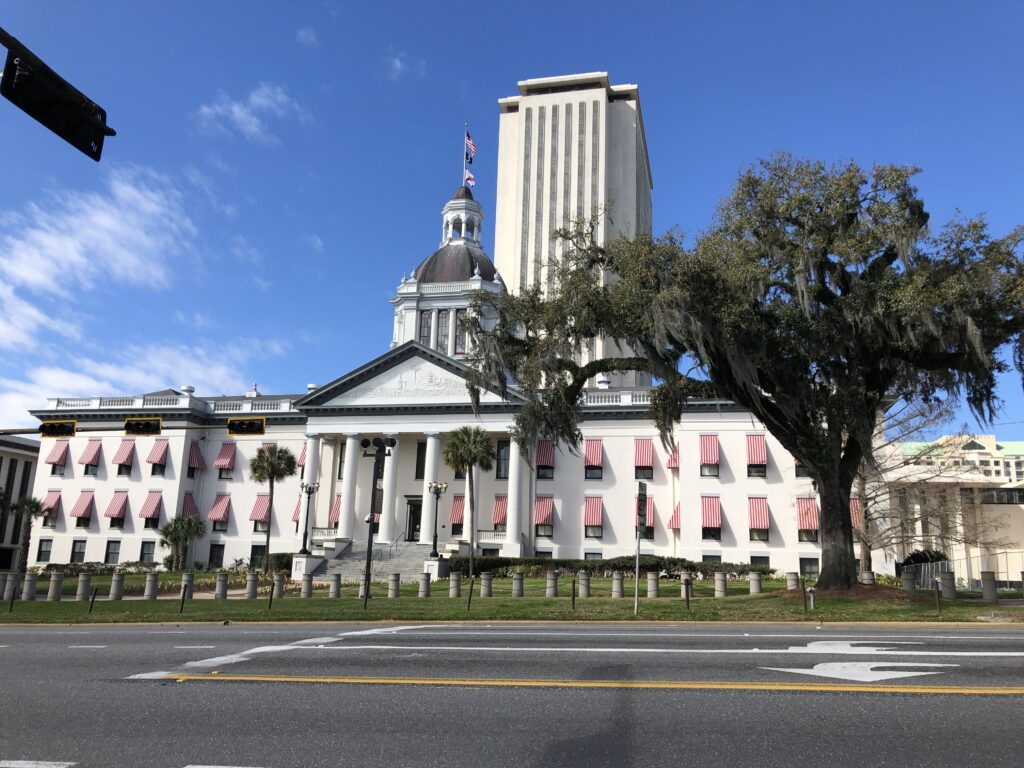
What Does It Cost to Live in Tallahassee, Florida?
If you’re researching a move to Florida, cost of living is probably one of the first things on your mind. Florida has a reputation for being expensive, and in some parts of the state, that reputation is well-earned. But Tallahassee is a different story.
Florida’s capital city consistently ranks as one of the most affordable places to live in the state, with a cost of living that sits below the national average and housing costs that would surprise most people comparing it to Miami, Tampa, or even Orlando. Whether you’re a retiree stretching a fixed income, a family looking for more house for your money, or a young professional trying to build savings while actually enjoying where you live, Tallahassee offers something increasingly rare in Florida: a high quality of life at a price that makes sense.
Here’s a closer look at what it actually costs to live here.
Cost of Living Overview: How Does Tallahassee Compare?
Tallahassee’s overall cost of living is approximately 2.9% below the national average, according to the Office of Economic Vitality and the Council for Community and Economic Research. That might not sound dramatic at first, but when you factor in that Florida has no state income tax, the financial picture becomes even more attractive. You keep more of what you earn, and you spend less on the basics.
Compared to other Florida cities, the difference is even more noticeable. Miami’s cost of living runs roughly 20% above the national average. Tampa is around 5% above. Tallahassee sits comfortably below, giving you the Florida lifestyle without the Florida price tag.
Housing: The Biggest Advantage
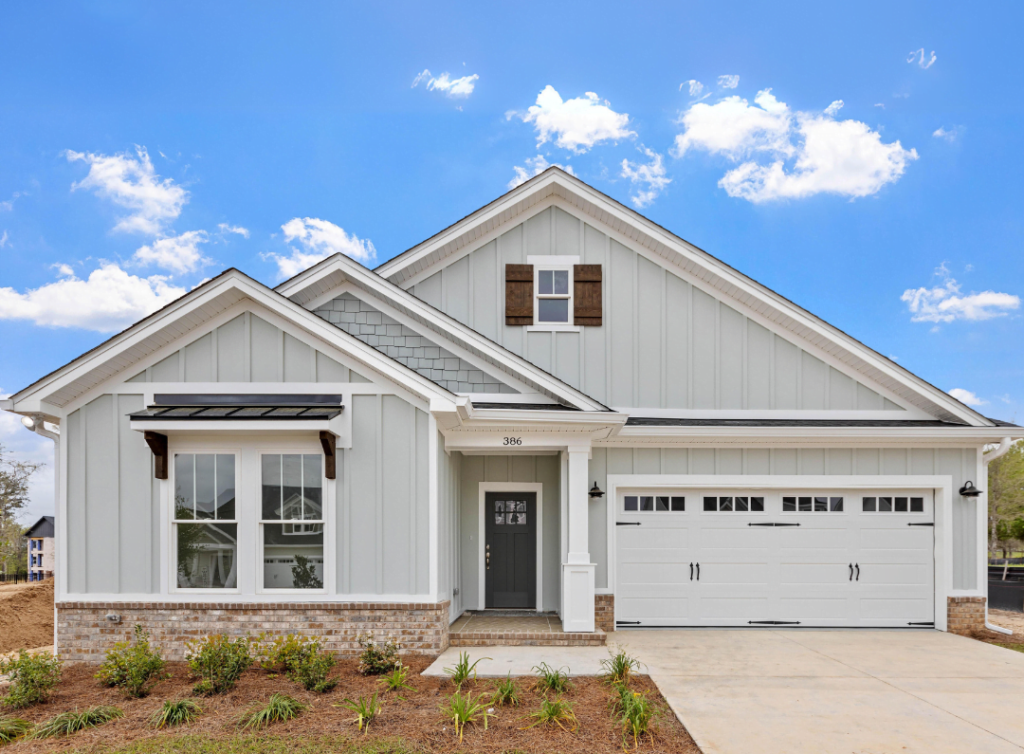
Housing is where Tallahassee really stands out. Home prices and rental costs in the area run approximately 7.8% below the national average, which translates into real, tangible savings every month.
For context, the median home price in Tallahassee in 2025 was $284,300, which hovers well below what you’d find in most major Florida metros. During the same time period, Miami’s average home price was $603,300, and Tampa’s was $391,600. Tallahassee also offers a variety of neighborhoods, which means there’s something for nearly every budget and lifestyle.
Neighborhoods like Killearn Estates, SouthWood, and Golden Eagle offer spacious, established homes in master-planned communities with pools, golf courses, and parks. For something more walkable and urban, Midtown and Betton Hills offer charming bungalows and tree-lined streets close to restaurants, coffee shops, and parks. And if proximity to nature is the priority, neighborhoods near Maclay Gardens or the Lake Jackson area put you right in the middle of some of the most beautiful landscapes in North Florida.
Not ready to own a home yet? Don’t worry, renters also benefit. Whether you’re looking for an apartment near downtown, a townhome in the northeast, or a house in a quiet neighborhood close to good schools, rental prices in Tallahassee are meaningfully lower than in larger Florida cities. In 2025, an average 3-bedroom apartment in Tallahassee cost $1,775 while a 3-bedroom apartment in Tampa cost $2,700 and Miami apartments of the same size cost a whopping $3,800! Think of what that extra savings could get you every month.
Groceries and Everyday Expenses
Day-to-day costs in Tallahassee are comfortable and predictable. Grocery prices are roughly in line with the national average, and the city has a full range of options: national chains like Publix, Sam’s Club, Costco, Trader Joe’s, Aldi, and Whole Foods are all here, alongside locally-loved spots like New Leaf Market for organic and specialty items.
Eating out is a huge perk while living in Tallahassee, and it doesn’t have to be expensive. The city has a thriving local restaurant scene, from beloved neighborhood spots like Canopy Road Café and Hopkins Eatery to flavors from around the world like Venebites, San Miguel, and Tan’s Asian Café. For dessert, there’s no place better for locally-made ice cream and candy than Lofty Pursuits. Whether you’re treating yourself or just grabbing a weekday lunch, there are plenty of options that won’t break the bank.
However, if you’re looking to splurge on a fancy night out, you won’t have to go far for incredible food. Tallahassee is home to two Michelin-recommended restaurants. Both The Black Radish and The Huntsman made it into the 2026 guide, making them the perfect spot to celebrate a big occasion. Even these higher-end restaurants have plates starting under $50, helping make your dollar go further in the capital city!
To stay up-to-date with all food-related news in the city, follow Tallahassee Foodies on social media. They share weekly news and events for all local Tallahassee restaurants.
Healthcare: World-Class and Accessible
For retirees in particular, healthcare is one of the most important factors in any relocation decision. Tallahassee’s healthcare landscape is genuinely impressive for a city its size.
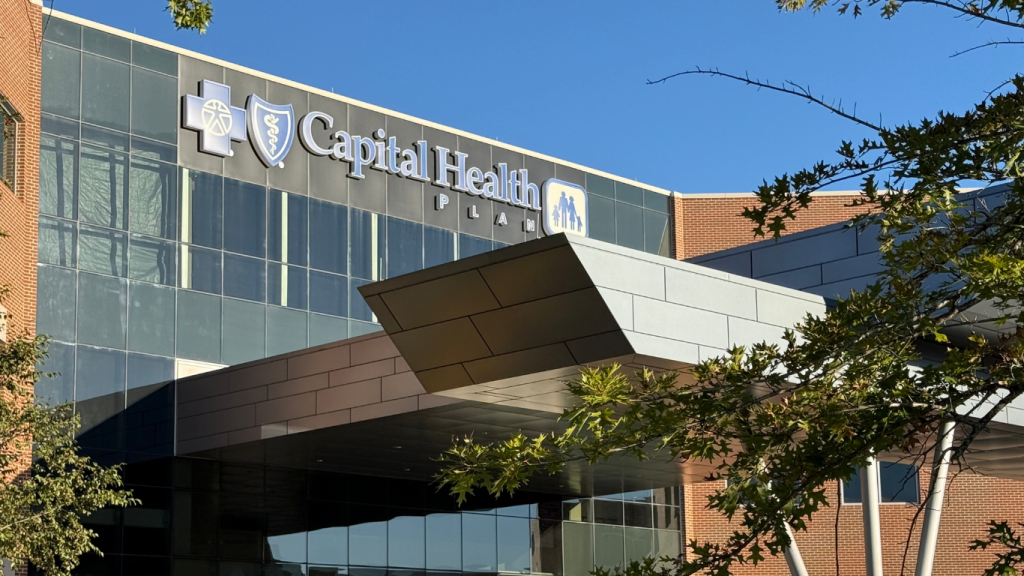
Capital Health Plan, based right here in Tallahassee, has been recognized as the highest-rated commercial healthcare plan in Florida by the National Committee for Quality Assurance — a distinction it has held for multiple years. Tallahassee Memorial Healthcare holds a Level II Trauma Center designation and has been recognized as a Baby-Friendly Hospital since 2024. TMH is one of only 25 hospitals in the state of Florida recognized for offering optimal care that prioritizes mother/baby bonding and infant feeding through the Baby-Friendly Hospital Initiative, a global program sponsored by the World Health Organization (WHO) and the United Nations Children’s Fund (UNICEF). The city is also home to a growing network of specialty providers, clinics, and medical professionals, supported by the presence of Florida State University’s College of Medicine.
Strong local healthcare typically means two things for residents: better access and more competitive pricing. Tallahassee delivers on both.
Utilities and Transportation
Utility costs in Tallahassee are generally reasonable, particularly for electricity. The city is served by the City of Tallahassee’s utility system, which has historically offered competitive rates compared to Florida’s investor-owned utilities. According to the Office of Economic Vitality, utility costs in Tallahassee were 13.4% lower than the national average.
Transportation costs depend a lot on your lifestyle. Tallahassee is a drivable city, and most residents own a car. The average commute time for residents is about 19 minutes, which is 8 minutes less than the national average! That means over the course of one year, you could be saving over 34 hours from your daily commute.
Tallahassee’s gas prices tend to track with or below state and national averages. The city also has a public bus system (StarMetro) that serves major corridors, and if you live near Downtown, Midtown, or the university areas, you’ll find that walkability and bikeability are real options. In 2018, Tallahassee was recognized as a Silver-level Bicycle Friendly Community by The League of American Bicyclists. Tallahassee currently maintains more than 80 miles of trails.
Looking to vacation outside of the city? Tallahassee has an airport with connections to major hubs, including 7 direct flight options. TSA PreCheck is available for frequent fliers, although, unlike airports in most major metropolitan areas, on average it takes 30 minutes or less to check in and get to your gate.
Choosing Tallahassee as your home base means that you’ll have easy access to the big cities you like to visit, without the hefty price tag of living in one of these expensive locations. Soon, you’ll also have international flights to get you anywhere you’re looking to go!

Education: Exceptional Value at Every Level
Families with children will find that Tallahassee’s public school system offers strong options, particularly at the magnet and charter school level. Leon County Schools has several nationally recognized programs. And for families thinking ahead to college, living in a university city has real financial advantages: in-state tuition at Florida State University and Florida A&M University is among the best values in American higher education, and Tallahassee State College offers an affordable two-year pathway for students entering the workforce or transferring to a four-year institution.
No State Income Tax: Florida’s Gift to Residents
This deserves its own section because it matters that much. Florida has no state income tax. For retirees living on Social Security, pension income, or investment distributions, this is a significant financial advantage. For working professionals, it means a meaningful increase in take-home pay compared to most other states. When you combine this with Tallahassee’s below-average cost of living, the overall financial picture becomes one of the strongest arguments for making the move.
So, What Does It Actually Cost?
Every household is different, but here’s a general sense of what a comfortable life in Tallahassee looks like financially:
- Housing (mortgage or rent): Varies widely by neighborhood and home or apartment size. On average, a single person might pay $936/month while an average family of four could be looking at $1,716/month for a home or larger apartment.
- Groceries: Roughly $324 to $1,052/month for a typical household
- Utilities: $159 to $273/month depending on home size and season
- Healthcare: Highly variable, but access to Capital Health Plan and competitive local providers keeps costs manageable
- Dining and entertainment: As much or as little as you’d like — the city supports every budget
The bottom line: Tallahassee gives you a lot of city for your money.
Ready to Learn More?
If Tallahassee has been on your radar, we’d love to help you explore it further. Download our free Relocation Guide to get a full picture of life in Florida’s capital city: the neighborhoods, the lifestyle, the community, and everything in between. And if you have questions or want to connect with local resources, reach out anytime. We’re here to help you find your way home.